


Brake Problems: How To Find Out What’s Wrong
Brake problems are some of the most common issues on cars. Reduced stopping distance being the biggest issue. But braking issues don’t stop there, there are lots of signs that indicate if something is wrong with your brakes. Brake problems are usually accompanied by squeaking and grinding sounds and car vibrations. Sometimes the brake pedal will feel very hard to press down, and other times there may be no brake pressure at all.
Finding out what is wrong with the brakes can be tricky. There are, after all, lots of parts that can go wrong. But here are 5 easy checks you can do to try diagnose your braking problem:
1. Check Brake Performance
Listen for any noises when you’re braking. Any squealing or grinding noises can be due to issues with the brakes. It may just be that the brake pads have worn down too much, or that the discs have not worn evenly.
If you feel a shudder when braking it is likely that your brakes have worn unevenly. The discs may for example have warped due to excessive heat build up. This can have a knock on effect on other brake parts and needs immediate attention.
2. Check Noise When Driving
If you’re driving and not braking and you still hear a scraping noise continuously then there is a chance there is also something wrong with your brakes. It could be that the brake pads have not returned to their normal position after braking. Often it means that a brake caliper has seized and that it continues to push the pads against your discs.
3. Check Brake Hydraulics
Checking the brake pedal can help to find out if there are any issues with the hydraulic system which power the brakes. It’s important that the brakes engage long before you press the brake pedal to the floor. If the brakes only start to kick in late on and they feel spongy then it’s likely you have a problem with the hydraulics. In that instance there may be air in the system.
If you brake hard and you feel that the pressure on the brake pedal slowly decreases, then it’s likely that there may be a leak in the system. This ‘sinking pedal’ issue could mean that the master cylinder or a brake hose is leaking somewhere.
4. Check Brake Discs
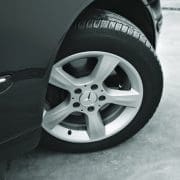
The brake discs are usually visible through the spokes in your wheel. When checking them look out for any grooves and ridges or uneven surfaces. The discs should be flat and smooth. If they are not, they might have suffered from scoring. Worn brake pads will be the cause of this. It’s important to get this repaired as soon as possible to prevent further damage to the discs and to stay safe.
5. Check Handbrake
Last but not least make sure to check your handbrake. It is vital in ensuring that your car can be locked in place when stationary. If you have to pull the brake handle higher than usual then it’s likely that the tension on the cable is off. Often readjustment is needed or new brake shoes.
If your car has brake problems, it’s always best to have a trusted mechanic check it out. Michanic has a team of specialist mechanics who come to you. We understand that your car plays an important part of your daily life, transporting you and your loved ones. Michanic is dedicated to providing the most convenient services for our customers, so if you have any other questions or concerns regarding your car, feel free to talk to our customer service team through email at [email protected], or by phone on 087 803 9000.